Free, self-paced session · No app needed
Guided Meditation for Anxiety and Overthinking
A 10-minute session you follow at your own pace, right here on the page — no audio download, no account, no app to open first.
BEFORE YOU BEGIN
Find a seat where you won't be interrupted for the next ten minutes. You can keep your eyes open or close them — either is fine. When you're ready, press begin.
This runs on the page only — closing or refreshing the tab ends the session.
What this session actually does
Overthinking during an anxious moment usually isn't random — it's the mind trying to solve a threat by analyzing it from every angle, which feels productive but rarely resolves anything. This session doesn't try to argue with the thoughts or talk you out of anxiety. It gives your attention somewhere else to go: the breath, the body, the space around you — so the thinking has room to quiet down on its own instead of being fought directly.
Each step runs for a set number of minutes with a soft chime marking the transition, so you don't need to watch a clock or guess when to move on. You can pause at any point if you need to.
Before you start
This is a relaxation and coping practice, not medical treatment or therapy. If anxiety is frequent, severe, or affecting your daily life, or if it's paired with low mood that isn't lifting, a doctor or therapist can help in ways a meditation session can't — this is meant to sit alongside that kind of support, not replace it.
Softening the room helps too
Bright, static overhead light can work against a session like this — it's part of the same alert, "on" state that overthinking tends to run on. A dim, slow-moving light in the background gives your eyes somewhere gentle to rest, even with them closed, and helps the room itself signal "wind down" rather than "keep working." None of these are necessary to do the session above, but they're a common addition for anyone building a regular practice around anxiety.
Most full-featured
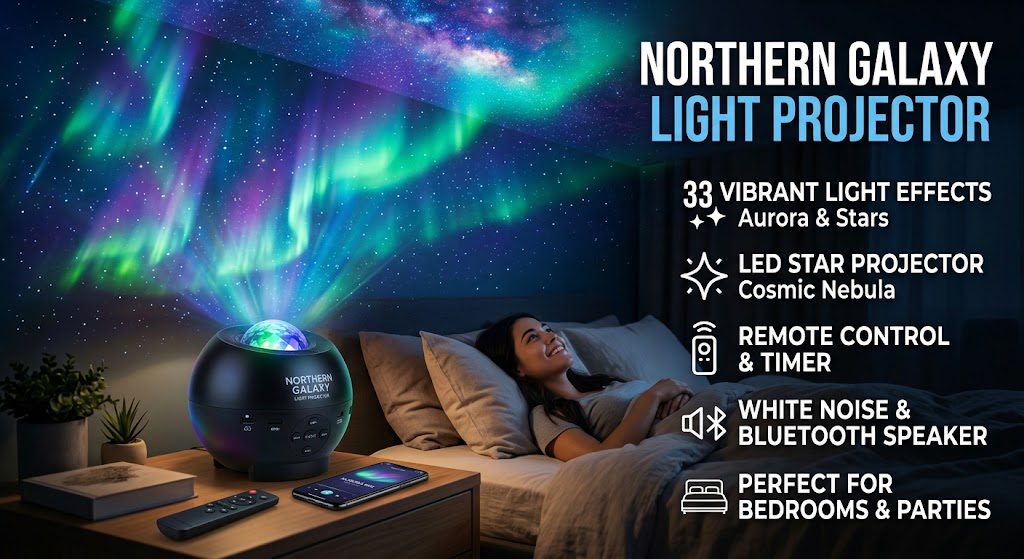
Northern Lights Aurora Projector
Bluetooth speaker · built-in white noise · auto-off timer · remote control
The built-in white noise is useful on its own if racing thoughts respond better to a steady background sound than to silence during a sit.
Check current price →Price shown on Amazon at checkout.
Simplest to use
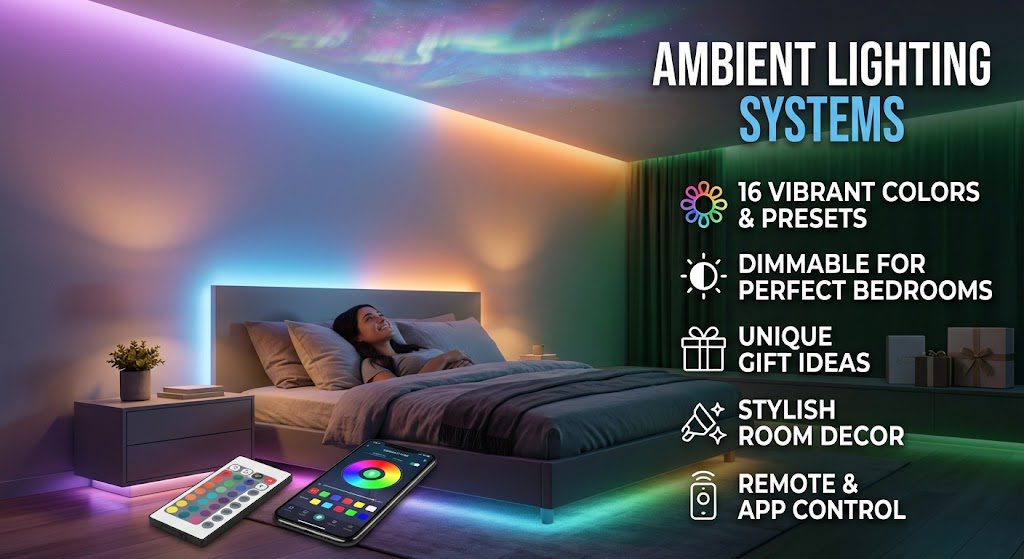
Crystal Galaxy Star Projector
Touch-control base · star and nebula effect · compact desktop size
One-touch operation matters more than it sounds like it would — fewer settings to fuss with means fewer decisions to make when you're already overstimulated.
Check current price →Price shown on Amazon at checkout.
Best for portability
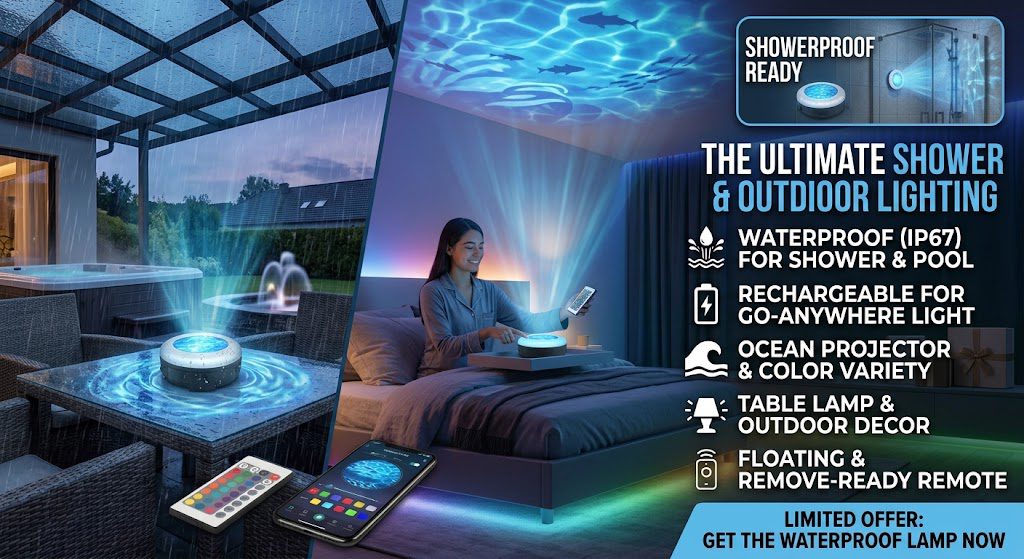
Waterproof Rechargeable Star Projector
Battery-powered, no cord · water-resistant housing · suction or stand mount
Cordless means you're not tied to a bedroom outlet — useful if a bath or a quiet corner works better for you than where you'd normally sit.
Check current price →Price shown on Amazon at checkout.
Most calming motion
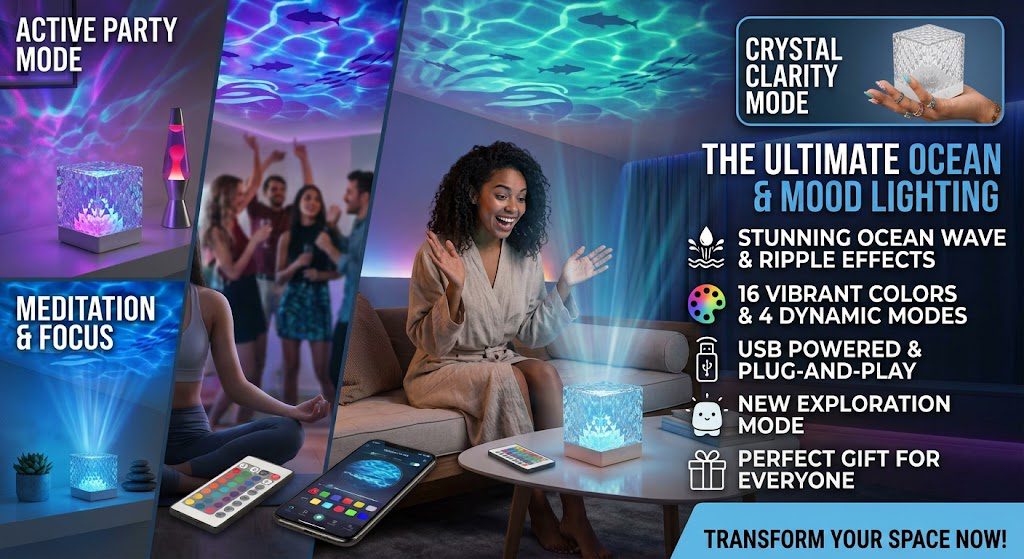
Ocean Wave Ripple Light Projector
Slow-moving water ripple effect · shower-safe rating · remote or app control (check listing)
Slow, fluid motion tends to read as calmer than a busier star field — worth trying if fast or flickering patterns feel more agitating than soothing to you.
Check current price →Price shown on Amazon at checkout.
None of these are required for the session above — they're optional, for anyone building a longer-term practice around this kind of anxiety relief.
Want a longer sit afterward? Our free meditation timer lets you continue in silence with a bell at the end, once this guided session finishes.
Common questions
Does guided meditation actually help with anxiety and overthinking?
Many people use guided meditation as a way to interrupt a spiral of repetitive, anxious thinking by shifting attention to the breath or body, which is a well-established mindfulness technique. It's a coping tool that can reduce the intensity of a stressful moment, not a cure — for ongoing or severe anxiety, meditation works best alongside professional support rather than as a replacement for it.
How long should a guided meditation for anxiety be?
Ten minutes is a common length because it's long enough to shift out of a reactive state but short enough to fit into a stressful day without feeling like another obligation. Shorter three-to-five-minute versions work well in the middle of an acute anxious moment, while longer twenty-minute-plus sessions suit a calmer, more reflective time of day.
Can guided meditation help with anxiety and depression together?
Mindfulness-based practices are used as a complementary tool for both anxiety and depression, often alongside therapy or medication rather than instead of them, since the two frequently occur together and can respond differently to the same technique. If low mood or anxiety is persistent or affecting daily life, a doctor or therapist can help identify what combination of support is right for you.
What if my mind keeps wandering during meditation?
A wandering mind isn't a sign you're doing it wrong — noticing that you've drifted and gently returning your attention is the actual practice, not a failure of it. Overthinkers in particular tend to judge themselves for a busy mind during meditation, which usually makes the anxiety worse rather than better; the goal is to notice and return, as many times as needed, without the self-criticism.