Sound practice buying guide
Cast or hand-hammered — the singing bowl spec most listings bury
Two bowls can look identical in a thumbnail and sound completely different in your hands. Here's the one distinction worth checking before you buy, plus what actually matters in an incense burner.
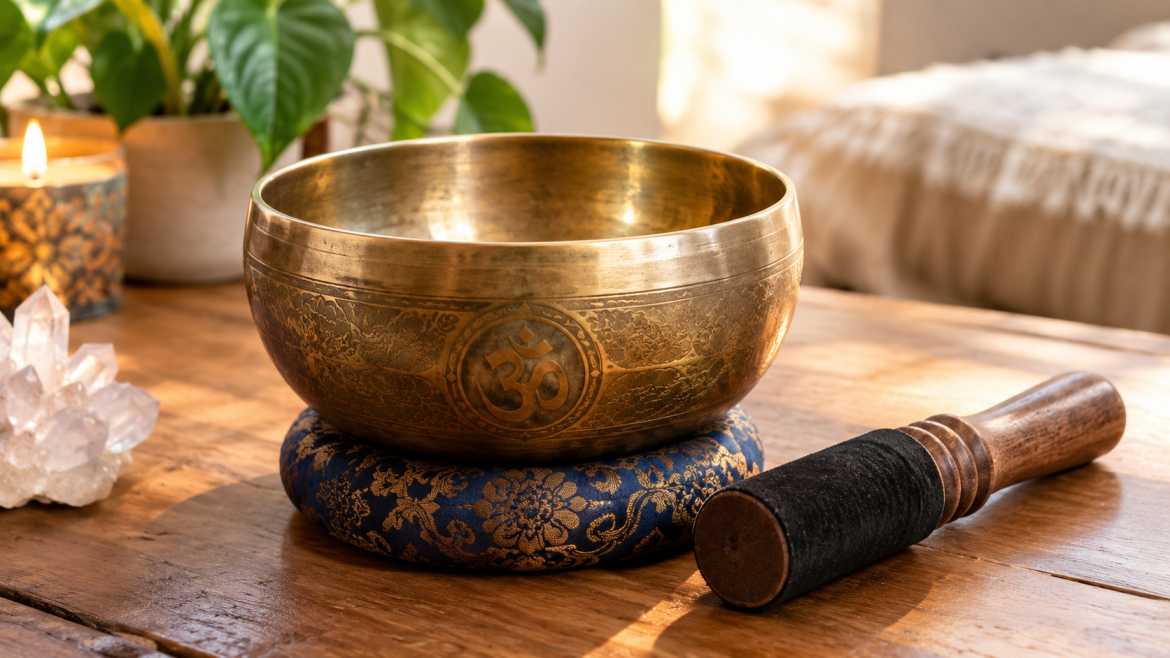
Most singing bowl listings lead with "authentic" and "handcrafted in Nepal," which tells you where it was made but not how. The construction method — cast in a mold versus hand-hammered from sheet metal — is what actually determines whether you get a bowl with a clean, predictable tone or one with a richer, more complex sound that varies piece to piece.
Cast vs. hand-hammered, side by side
Machine-poured
- Consistent, predictable tone across the batch
- Lower price, widely available
- Good starting point if you're not sure you'll stick with the practice
Shaped by hand
- Richer, more complex overtones — no two bowls sound identical
- Visible hammer marks are a feature, not a flaw
- Higher price, worth it for daily or long-term practice
Neither is more "authentic" in a way that matters if the goal is a good sound bath — cast bowls are legitimate instruments, not fakes. Hand-hammered is the upgrade once you know you'll use it regularly.
Size decides pitch, not "power"
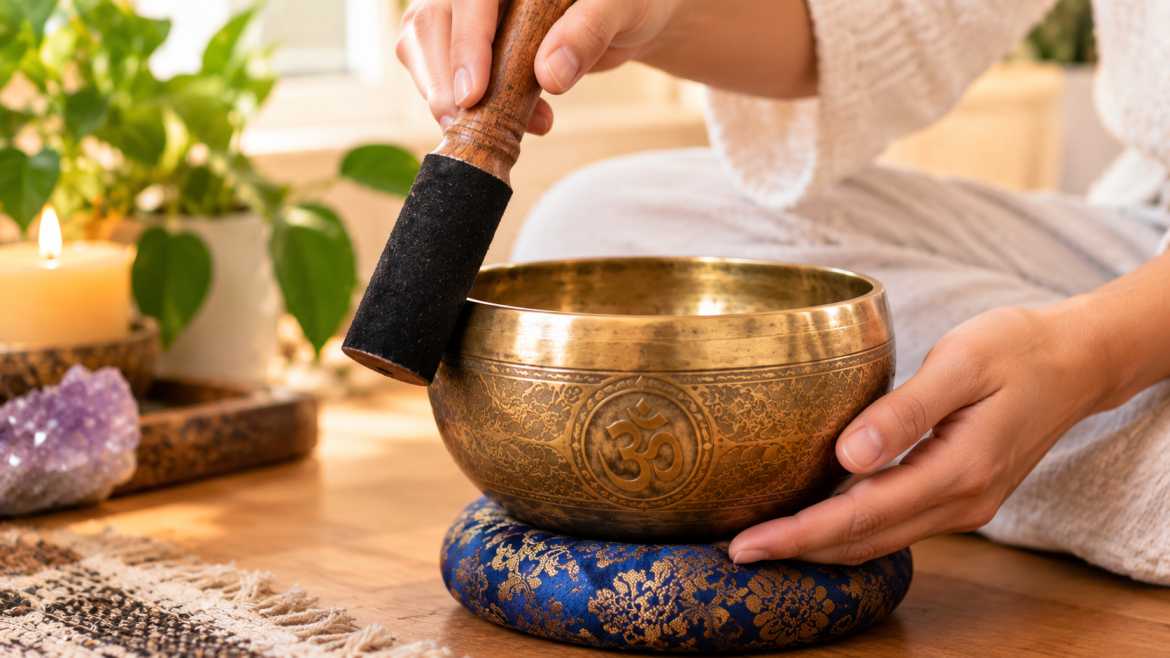
Worth checking before you buy: whether a mallet (striker) is actually included, and whether it's wood or suede-wrapped. Some budget listings sell the bowl alone despite photos showing the full set.
Quick picks, by experience level
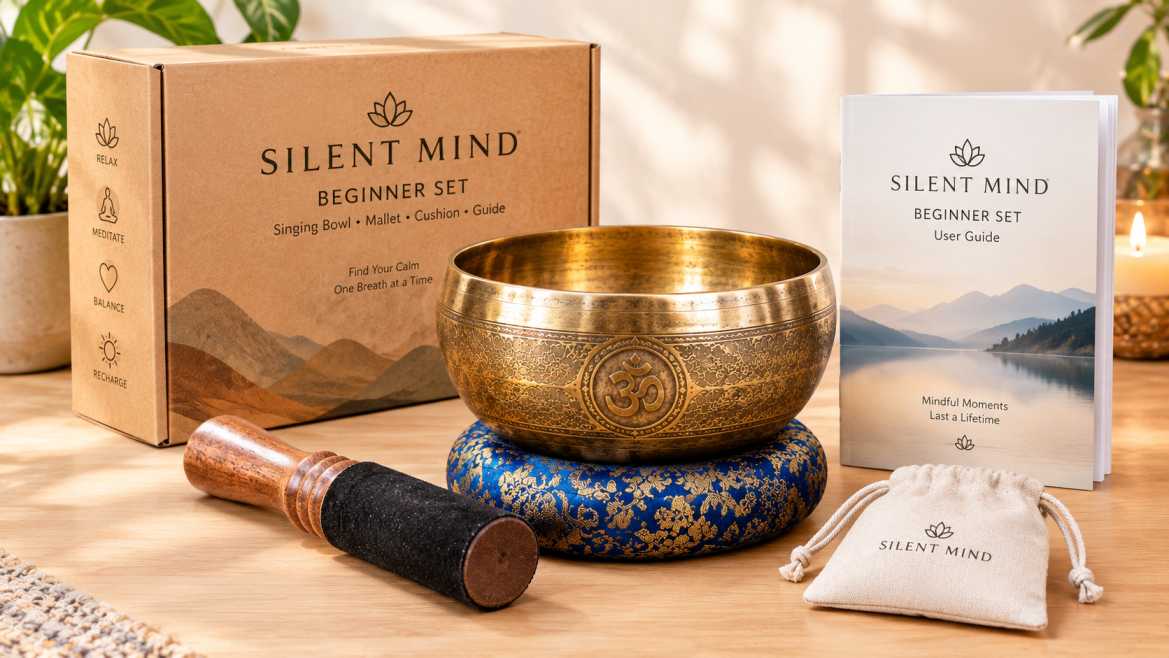
Best for beginners
Silent Mind Tibetan Singing Bowl Set
Cast bowl · cushion + mallet included · gift-ready packaging
Marketed and sized specifically for first-time players learning the rim technique.
Check current price →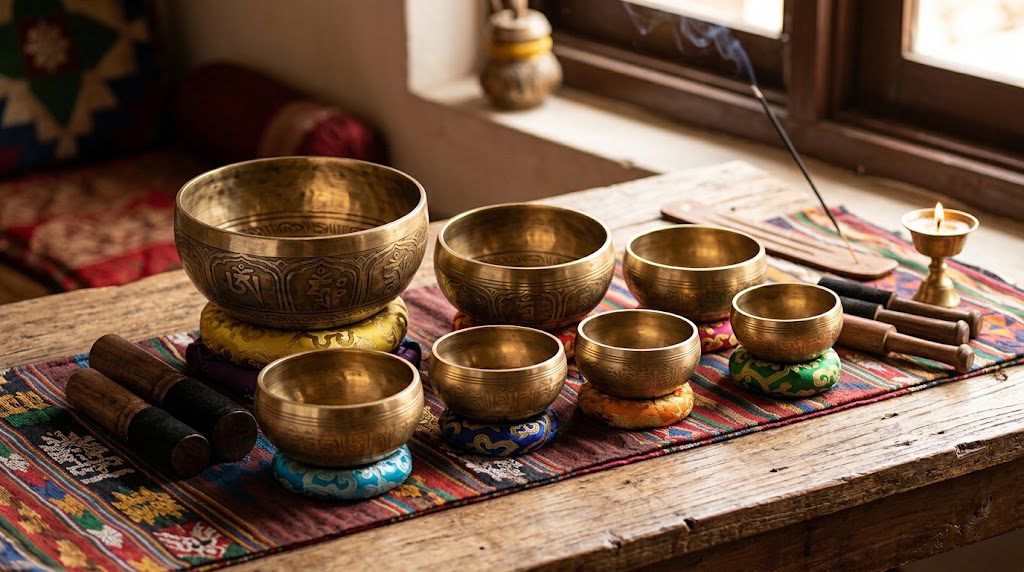
Best chakra-aligned set
Sanskar Nepal Set of 7
7 graduated bowls, 3–5" · handcrafted · carry case included
A full range of pitches in one purchase, suited to sound-bath style sessions rather than a single bowl.
Check current price →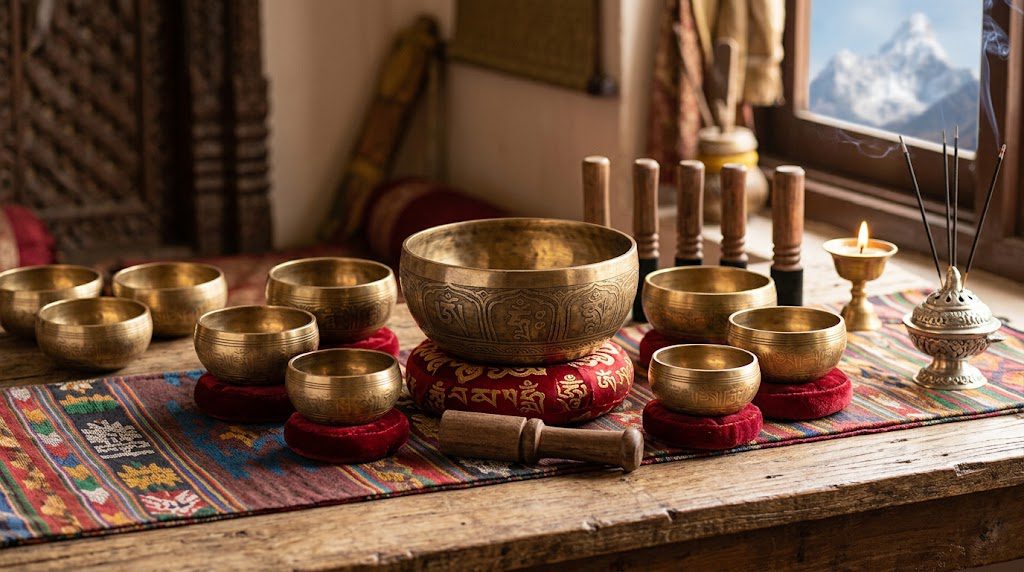
Best presentation / gifting
Himalayan Bazaar Premium Tibetan Singing Bowl Set
Handcrafted · decorative finish · gift packaging
Leans into presentation and decor value alongside sound — a good fit when the bowl is a gift.
Check current price →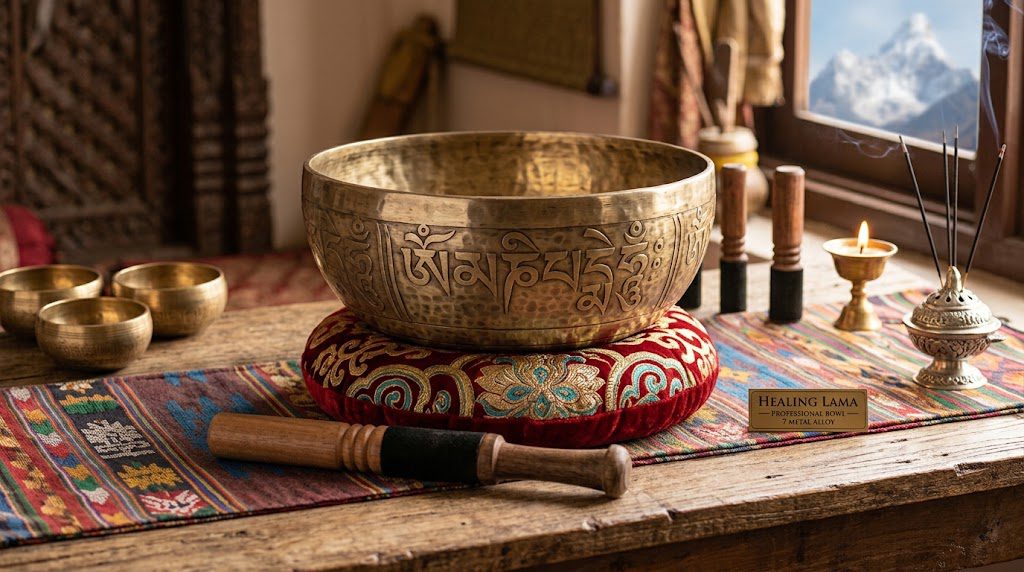
Best for daily/professional use
Healing Lama Large Hand-Hammered Bowl
6.25" · heavyweight, hand-hammered · seven-metal alloy
The heavier build and hand-hammered construction target practitioners who use a bowl daily, not occasionally.
Check current price →Prices and availability shown on Amazon at checkout, not fixed here — they change often enough that a printed number would be wrong within weeks.
Incense burners: what actually matters
The trending format right now is the backflow burner — the kind that sends smoke pouring downward like a small waterfall, using specially made backflow cones. Beyond the visual effect, three things separate a good one from a fire hazard:
- Heat-safe material stated outright — ceramic, brass, or stone, not just "decorative resin"
- A wide, stable base — backflow burners are top-heavy by design and tip easily on soft surfaces
- A catch tray or bowl underneath the smoke outlet, since ash and residue build up there over time
Where we're honest about the gap: we haven't yet found backflow incense burner listings from established, well-documented brands the way we have for singing bowls — this category is dominated by unbranded or white-label sellers. Rather than name a "best pick" we can't stand behind, we're holding off on specific product picks here until we've verified options directly. Check back, or use the material and stability checklist above if you're buying now.
A note on sound healing claims
Singing bowl listings often describe specific healing, chakra-balancing, or brainwave-entrainment effects. Some small studies report participants feeling more relaxed after a sound bath, similar to other calming audio. There's no clinical evidence that singing bowls treat, cure, or heal a medical condition — we'd encourage treating any "heals" or "cures" claim on a listing with the same skepticism you'd apply anywhere else.
Common questions
What's the difference between a cast and a hand-hammered singing bowl?
Cast bowls are machine-poured into a mold, producing a consistent, predictable tone at a lower price. Hand-hammered bowls are shaped by hand from a metal alloy, giving each bowl a unique, richer overtone profile, but the tone varies bowl to bowl and the price is higher.
What size singing bowl should a beginner buy?
A 4 to 5 inch bowl is a common beginner size — small enough to hold in one hand while striking with the other, with a higher pitched tone that's easier to sustain while learning the rim technique. Larger bowls, 7 inches and up, produce deeper tones but take more practice to play evenly.
Are singing bowls scientifically proven to reduce stress or heal the body?
Some small studies report that participants feel more relaxed after a sound bath session, similar to effects reported from other calming audio or music. There's no clinical evidence that singing bowls treat, cure, or heal a medical condition, and they should be used as a relaxation or mindfulness practice rather than a medical treatment.