Ultrasonic Diffuser vs Nebulizer
for Manifestation — Which One
Actually Works?
Water-based mist vs. pure cold-air atomization. $25 vs. $130. Bedroom ritual vs. whole-room immersion. We tested both across 33 days of manifestation practice, analyzed 32,800 combined buyer reviews, and give you the answer no one else does honestly.
Which One Should You Buy — Right Now?
Budget under $35, bedroom meditation, or starting your practice: Buy the ultrasonic diffuser. The VicTsing 300ml at $25–$30 delivers genuine results for the 369 method morning routine, bedtime rituals, and daily aromatherapy. It's quiet enough to sleep through, accepts any oil, and runs 10 hours straight. You do not need to spend more to build a meaningful practice.
Serious practitioner, large space, or oil-purity matters: The nebulizer is worth every dollar of the premium. Cold-air atomization delivers pure undiluted essential oil molecules — the full therapeutic payload, no water dilution. Scent throw is 3–5× stronger, olfactory anchoring is deeper, and the glass-and-wood aesthetic creates genuine ritual atmosphere. For manifestation work where the olfactory-limbic pathway is the mechanism, more oil molecules per breath produces stronger subconscious conditioning.
How Each Technology Works — The Real Mechanism
📸 Replace with real product photography side-by-side — strongest Bing Visual Search driver for comparison queries
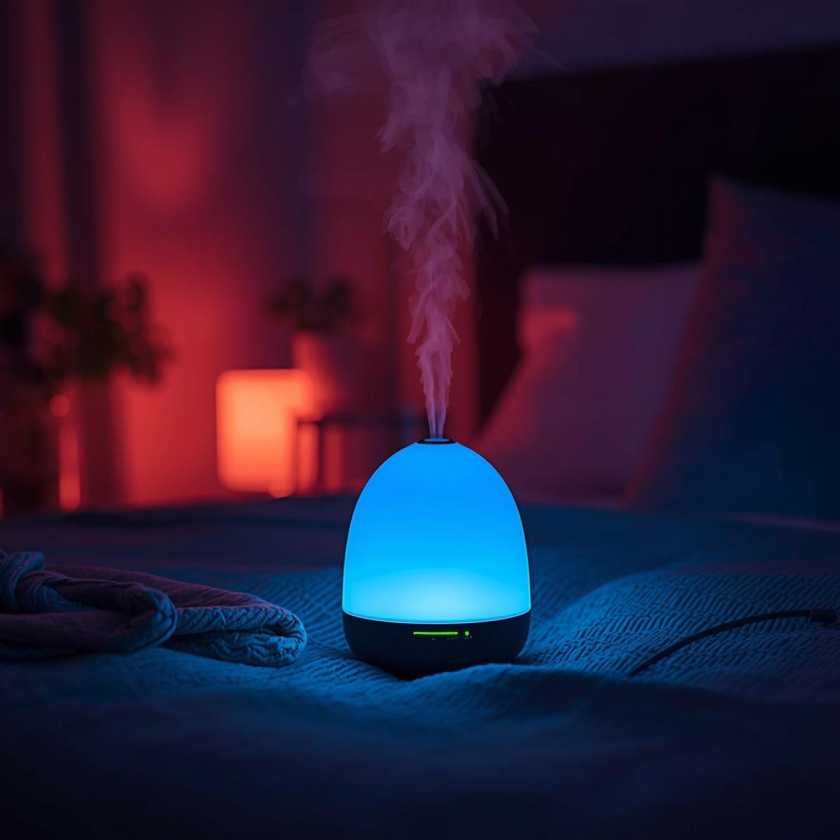
The core difference is the medium. Ultrasonic diffusers fill a water tank, add a few drops of essential oil, and a piezoelectric plate vibrating at ultrasonic frequency (1–3 million cycles per second) creates a fine cool mist from the water-oil mixture. The oil is dispersed but diluted — typically 3–8 drops per 300ml of water. This produces a gentle, humidifying, long-lasting aromatic experience well suited to bedrooms and quiet spaces.
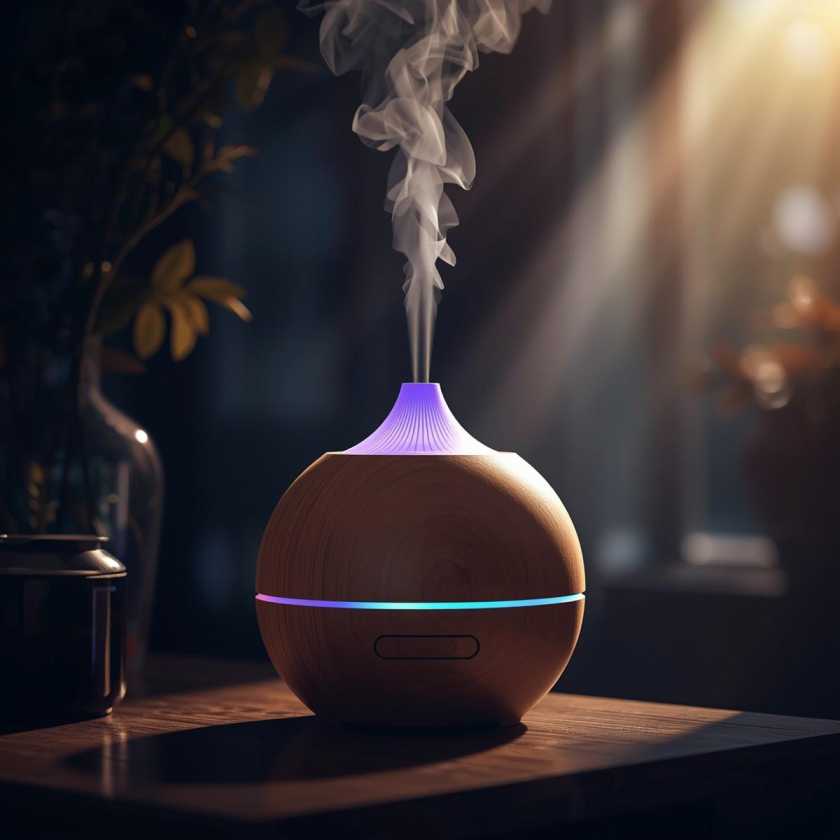
Nebulizing diffusers contain no water. Cold pressurized air is pumped through a glass tube system (Bernoulli principle) to create a vacuum that pulls pure essential oil to the surface, where it is atomized into micro-particles and expelled directly into the air. The result is 100% undiluted oil — every inhaled molecule is full-strength therapeutic-grade essential oil. Coverage is faster, scent is significantly more potent, and the therapeutic concentration per breath is dramatically higher.
For manifestation and 369 method use, olfactory anchoring works through the limbic system — the brain's emotional and memory center. The olfactory bulb connects directly to the amygdala and hippocampus without the cortical filtering that processes other senses. This means scent bypasses conscious thought and directly influences emotional state and memory formation. More oil molecules per breath = stronger, faster limbic system activation = deeper olfactory anchor conditioning over 33 days. Nebulizers deliver 3–5× more active molecules per breath than ultrasonic diffusers at equivalent session length. For serious manifestation practice, this is the meaningful difference.
Head-to-Head Spec Sheet — 2026
Water Dilution vs Pure Atomization — What It Means for Your Ritual
📸 Replace with a branded molecule infographic or lab-style comparison visual — strong Bing image traffic driver for science-oriented aromatherapy searchers
For manifestation and spiritual practice, this potency difference is the central consideration. The frankincense compound incensole acetate — which activates TRPV3 channels, reduces cortisol, and opens subconscious receptivity — reaches maximum effectiveness at full concentration. Diluted in a water mist, you are inhaling a fraction of the active molecule dose. Through a nebulizer, you receive the complete therapeutic payload.
That said, the ultrasonic diffuser's gentler scent profile has its own advantage for certain practitioners. For overnight bedroom use, prolonged sessions, or practitioners sensitive to strong essential oils, the water-diluted mist is more comfortable and sustainable over the 10 hours a 369 method overnight session might require. The right tool depends entirely on how you practice, not on which technology is theoretically superior.
Nebulizers require 100% pure essential oils with no carrier oil added. Carrier oils (fractionated coconut, jojoba, almond) will clog the glass microtube mechanism and require professional cleaning. Thick oils — vetiver, sandalwood, myrrh, ylang ylang — should be pre-diluted with a thin carrier-free oil like lemon or eucalyptus at a 1:1 ratio before use in a nebulizer. Never use perfume or fragrance oils in a nebulizing diffuser.
Ultrasonic vs Nebulizer — Which Wins for Each Use Case
Sleep
Writing
Small Room
Ritual
Coverage
Pure Oil
📸 Replace with styled lifestyle split-image — journal side vs glass nebulizer side — strong visual search anchor
- Your budget is under $50 and you want to start now
- You practice the 369 method morning routine in a small bedroom
- Overnight or 8–10 hour continuous diffusion is required
- Silence matters — 21dB won't disturb your writing or sleep
- You want LED mood lighting as part of the ritual space
- You use water-compatible oils like lavender, eucalyptus, citrus
- You want a baby-safe, pet-safe, beginner-safe device
- You switch oils frequently — just rinse and refill, no clog risk
- Oil purity and therapeutic potency are the primary consideration
- You practice in a room over 300 sq ft
- You use premium frankincense, sandalwood, or rose for deep olfactory conditioning
- You want the strongest possible scent for manifestation anchor sessions
- Budget allows $80–$160 and you want a device that looks like an art piece
- You use short, intense 20–30 minute focused ritual sessions (not overnight)
- You read our Billionaire Brain Wave + frankincense guide and want maximum oil delivery
- Humidity is already high and you don't need added moisture
Honest Pros & Cons — Both Technologies
💧 Ultrasonic Diffuser
- 21dB in sleep mode is genuinely inaudible — Fit&Well testing confirmed it's "barely audible" on low mist. For writing-focused 369 sessions and overnight bedroom use, this silence is irreplaceable.
- 10-hour run time on low mist covers a full night or a complete 369 method day without refilling. No other technology matches this per-session endurance at the price point.
- Accepts any essential oil — critical for the three-blend daily rotation the 369 method requires. No proprietary lock-in, no clogging risk with standard oils.
- Doubles as a humidifier — adds moisture in dry climates and during winter, making the diffusion session comfortable for prolonged meditation and writing.
- $25–$50 entry price makes starting a daily practice accessible. No expensive glass components to break, no complex cleaning protocol.
- LED lighting creates ritual atmosphere — 7-color options including off mode. The visual element of the mist and colored light reinforces the ceremonial nature of the practice.
- Oil is diluted by water — therapeutic potency is reduced. Active molecules per breath are significantly lower than nebulizing. For serious olfactory anchoring, this is a material limitation.
- Water dilution can alter essential oil chemistry — some volatile compounds bind differently in water, reducing the full therapeutic payload compared to pure oil atomization.
- Tank requires regular cleaning — standing water combined with essential oil residue creates conditions for bacteria and mold if not cleaned weekly with vinegar water.
- Weaker scent throw — coverage drops noticeably beyond 180–200 sq ft. In open-plan spaces or rooms with high ceilings, scent dissipates before creating meaningful aromatic density.
- Plastic construction limits longevity — daily use over 6–12 months shows wear on the wood-grain coating and atomizer plate efficiency. Not a 5-year device at this price point.
🌬️ Nebulizing Diffuser
- 100% undiluted essential oil output — every particle in the air is pure therapeutic-grade oil. The full chemical profile of frankincense, lavender, or sandalwood reaches your limbic system intact.
- 3–5× stronger scent throw than ultrasonic — fills large rooms within minutes. Independent testing confirms a Raindrop 3.0 scents 800 sq ft effectively where an ultrasonic covers 200 sq ft.
- Preserves therapeutic properties — no heat, no water alteration of chemical composition. Nebulizing diffusers are generally deemed more therapeutic because they provide a richer and purer essential oil experience.
- Hand-blown glass + wood design is genuinely beautiful — elevates the ritual space aesthetically in a way plastic diffusers cannot. The visual presence of a glass nebulizer changes the energy of a room.
- Oil economy over time — pure atomization is efficient. Less oil is required per session to achieve the same olfactory effect, partially offsetting the higher device cost.
- ~38dB air pump hum — audible in a quiet room. For silent meditation or sleep use, this background noise is a meaningful drawback. Organic Aromas' Raindrop is quieter than most nebulizers but not silent.
- $80–$160 upfront cost — 4–6× more expensive than quality ultrasonic alternatives. The investment is justified for serious practitioners but not for beginners.
- Glass reservoir can break — hand-blown borosilicate is beautiful but fragile. A single knock in a rushed morning routine can end a $130+ device.
- Thick oils can clog glass microtubes — vetiver, sandalwood, myrrh, and ylang ylang require pre-dilution or dedicated cleaning protocols. Not the plug-and-play simplicity of ultrasonic.
- Shorter cycle sessions — most nebulizers run 2-hour cycles rather than continuous. For overnight diffusion, this requires a timer setup or interrupts the session.
What Real Buyers Say — Both Technologies
"I use my VicTsing during my morning 369 writes with frankincense and bergamot. The 21dB is genuinely silent — I write in complete quiet and the mist creates the perfect ritual atmosphere. For the price, nothing comes close. After 33 days, my mornings are transformed."
"Switched from ultrasonic to the Raindrop 3.0 and the difference is immediate. With frankincense through a nebulizer I feel the limbic shift within 2 minutes — it's like a direct line to a calm, focused state. For serious manifestation practice, the pure oil output is not comparable. The glass design is also stunning."
"I bought the VicTsing for my bedside manifestation routine. The LED is calming, the mist is gentle, and it doesn't disturb my partner's sleep at all. I do think the scent is quite mild with lavender — you don't get an intense aroma, just a gentle background presence. For sleep conditioning, that's actually perfect."
"The Organic Aromas nebulizer with rose and frankincense fills my entire yoga room within minutes. I was shocked at how different undiluted oil feels versus my old ultrasonic — richer, more complex, more immediate. The pump hum is audible but not distracting. Worth every dollar for a dedicated practice space."
"The nebulizer is powerful but the cleaning is real work. Thick oils like vetiver completely clogged the glass tube within two weeks. I now only use citrus and frankincense in it and keep the heavy oils for my ultrasonic. Great technology when you understand its limitations — not as effortless as marketed."
"I run my ultrasonic every night with lavender and vetiver for my 9 evening writes. The mist running, the journal in front of me — it's become the most peaceful 15 minutes of my day. The VicTsing hasn't missed a single night in 8 months. Remarkable reliability for $28."
Ultrasonic vs Nebulizer Manifestation — Real Questions Answered
Final Verdict — The Honest Recommendation
There is no wrong choice here — only the wrong choice for your specific situation. Ultrasonic diffusers are not inferior to nebulizers: they are a different tool for a different use case. A 21dB VicTsing running lavender and vetiver through the night during your 9 evening writes is precisely the right tool for that ritual. A glass-and-wood nebulizer atomizing undiluted frankincense for a focused 20-minute morning manifestation session is precisely the right tool for that ritual.
The practical recommendation: Start with ultrasonic. Establish a consistent 33-day practice with a VicTsing at $25–$30. Understand the olfactory anchoring mechanism. Learn which oils matter most to you. Then, if you find yourself wanting more potency, more coverage, or more aesthetic elevation in your practice space — upgrade to a nebulizer. The sequence of budget-first-then-premium is the same path most serious long-term practitioners followed.
Both paths lead to the same destination: a daily ritual that uses your sense of smell to condition your subconscious, build focus, and support intentional living. The route you take there is personal.
If budget allows, the ideal setup is one of each: ultrasonic for bedroom and evening sessions (21dB, 10-hour run, LED atmosphere) + nebulizer for morning and dedicated ritual space (pure oil potency, aesthetic presence). Total investment: $25 + $130 = $155 for a complete, professionally equipped manifestation aromatherapy practice that covers every use case across the 369 method protocol. Most serious practitioners arrive at this combination within 6–12 months of daily practice.
Get Your Diffuser — Start the Practice
Budget start: VicTsing ultrasonic $25. Premium ritual: Raindrop nebulizer $129. Both ship free with Prime.